How Often Should Men Wash Their Hair?
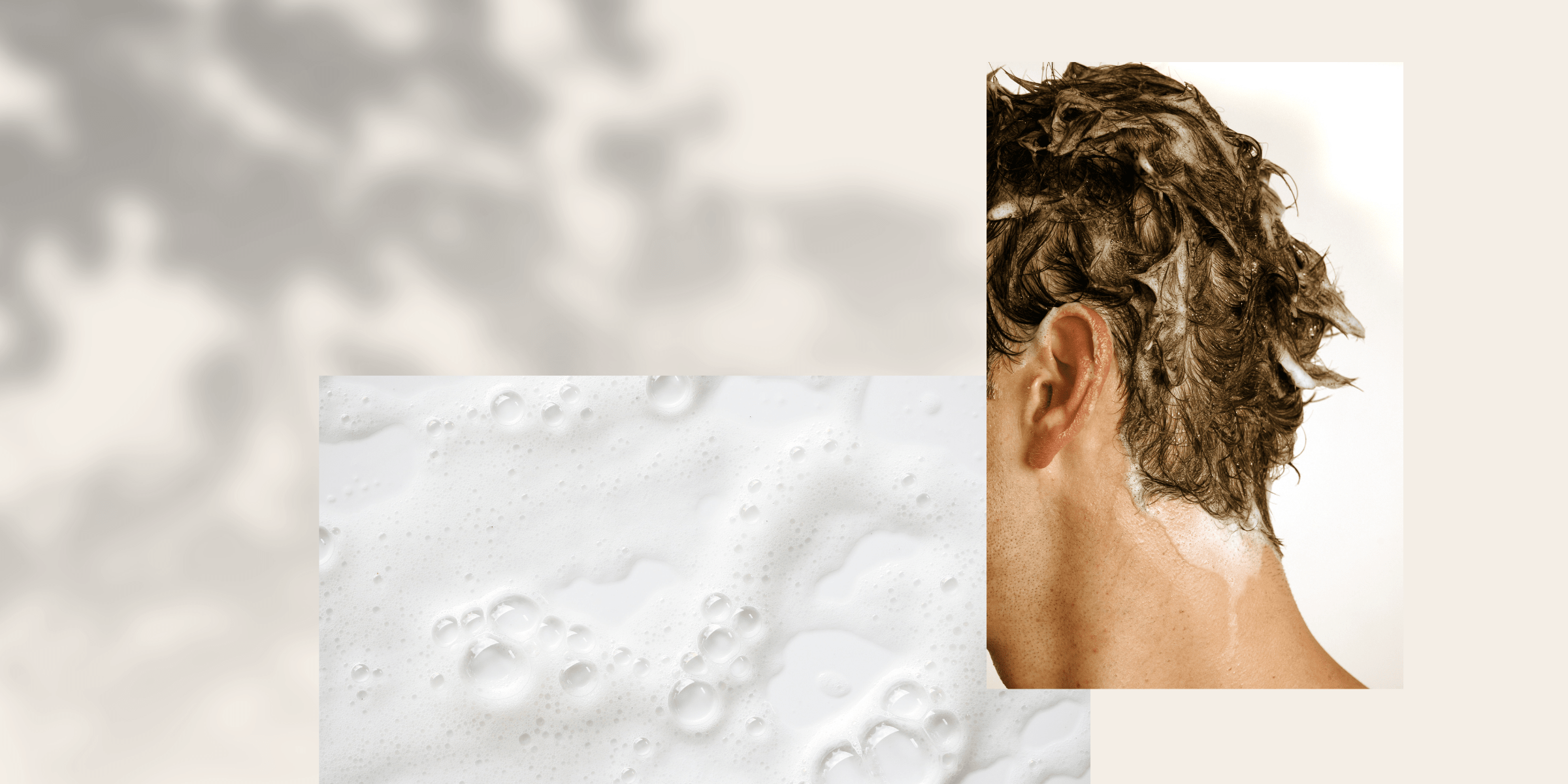
Most men should wash their hair with shampoo two to three times a week.
This is often enough to remove excess oil, sweat, dirt and product build-up without repeatedly stripping away the natural oils that help the hair feel healthy and manageable.
However, two to three times a week is a starting point rather than a strict rule. Men with particularly oily hair may need to shampoo more frequently, while men with dry, thick or curly hair may find that washing once or twice a week works better.
The right schedule depends on your hair type, scalp, lifestyle and the products you use. Just as important is choosing a shampoo that cleans without leaving your hair feeling flat, overly soft or difficult to style.
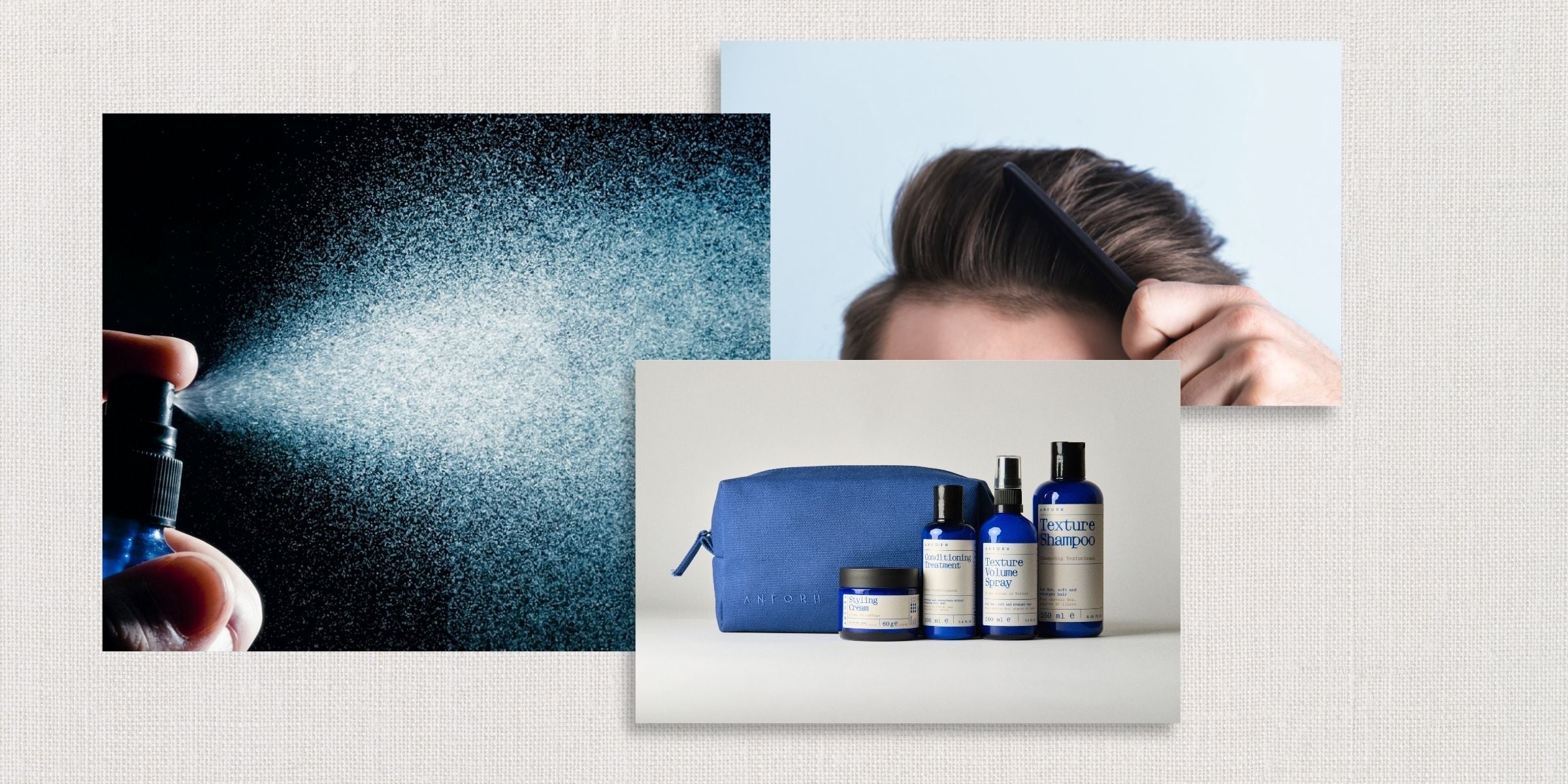
Anforh Texture Shampoo was created specifically to solve that problem. After finding that conventional shampoos often left his hair too clean, soft and lifeless, Anforh’s founder developed a shampoo for men that removes oil and build-up while helping the hair retain texture, body and manageability.

Oily Hair
Men with oily hair may need to shampoo every day or every other day, depending on how quickly the roots become greasy. Use Anforh Texture Shampoo and focus mainly on the scalp to avoid drying out the lengths.
Dry Hair
Dry hair usually benefits from being shampooed once or twice a week. Washing too often can remove the natural oils that help the hair feel softer and easier to control.
Fine Hair
Fine hair may need washing two to four times a week because oil and product build-up can quickly make it look flat or heavy. The right shampoo can make a noticeable difference here.
Anforh Texture Shampoo is designed to add body, weight and a thicker feel to the hair as it cleans, helping fine hair feel more substantial and easier to style rather than overly soft or limp after washing.
Curly Hair
Curly hair should generally be shampooed once or twice a week. Natural oils take longer to travel through curls, so leaving more time between washes can help maintain moisture, definition and control.

Should You Wash Your Hair After Exercise?
You do not always need to shampoo your hair after exercise.
After a light workout, a quick rinse with water may be enough to remove sweat and refresh the scalp. Make sure you dry the roots properly afterwards though, as leaving the hair damp for too long can make it look flat or uncomfortable.
After a more intense session, shampooing is usually the better option, particularly if your scalp feels oily, itchy or has a lot of styling product in it. Sweat can mix with oil and product residue, making the hair feel sticky and harder to restyle.
Men who exercise most days may need to wash their hair more often than the usual two to three times a week. In this case, a small amount of Anforh Texture Shampoo focused on your scalp will remove sweat and build-up without stripping the full length.
The best approach is to judge each workout individually. Wash when your scalp feels uncomfortable or dirty rather than automatically shampooing after every session.
Signs You Are Washing Too Often or Not Often Enough
Problem: Your hair feels dry, rough or difficult to control
This is often a sign that you are washing your hair too frequently. Shampooing too often can remove the natural oils that help the hair feel soft, flexible and manageable.
Solution: Add an extra day between washes and use a smaller amount of shampoo. Focus Anforh Texture Shampoo on the scalp rather than working it heavily through the lengths.
Problem: Your scalp feels tight, iIrritated or itchy after washing
A tight or uncomfortable scalp can suggest that your routine is too aggressive, particularly if you are washing daily or using too much shampoo.
Solution: Reduce how often you shampoo and avoid using very hot water. Massage the scalp gently with your fingertips rather than scratching it.
Problem: Your hair looks fluffy, frizzy or more tangled than usual
Overwashing can leave the hair without enough natural oil to maintain shape and control. This is especially noticeable with dry, thick or curly hair.
Solution: Wash less frequently and use the right styling product afterwards. Anforh Styling Cream is best for flexible control, while Anforh Curl Enhancing Cream helps define curls and reduce unwanted fluffiness.
Problem: Your roots look greasy and flat
Greasy roots are one of the clearest signs that you may not be washing your hair often enough. Oil can build up around the scalp and weigh the hair down, making it look flat and difficult to style.
Solution: Bring your next shampoo wash forward rather than forcing the hair to go another day. Concentrate the shampoo around the roots and rinse thoroughly.
Problem: Your scalp feels sticky, uncomfortable or has a noticeable smell
Sweat, oil and styling residue can collect when the hair is left too long between washes. This is more common after exercise, during hot weather or when heavier styling products are used.
Solution: Wash the scalp properly with Anforh Texture Shampoo and review whether your current schedule needs to be more frequent.
Problem: Your hair feels coated and is hard to restyle
Product build-up can make the hair feel dull, heavy or sticky, even when the roots do not look particularly oily.
Solution: Use less styling product and shampoo when the hair begins to feel coated. A second shampoo may occasionally help with heavy build-up, but it should not be necessary every time you wash.
Why Is There No Single Rule?
Everyone’s hair and scalp behave differently.
Some men naturally produce more oil and find that their roots look greasy after a day. Others have dry, thick or curly hair that can go several days without needing shampoo. Your hair type, scalp condition, lifestyle and styling routine all affect how quickly oil, sweat and product build-up appear.
Exercise, hot weather, wearing hats and using heavier styling products may mean you need to wash more often. In contrast, washing dry or curly hair too frequently can strip away the natural oils that help it feel soft, controlled and manageable.
The aim is not to wash your hair as often as possible or to force yourself to leave longer gaps between washes. It is to find a routine that keeps your scalp clean and comfortable without leaving your hair dry, rough or difficult to style.
The most effective routine is one that properly cleans your scalp without leaving your hair dry, rough or difficult to style. Wash according to what your hair needs rather than following a rigid daily habit.